Introduction
The tiger serpent is just one of Australia's a lot of infamous reptiles, feared for its powerful venom Mulga Snake (King Brown) and hostile temperament. This interesting animal plays a crucial duty in the ecological community, yet it usually encounters misunderstandings that result in unnecessary fear. In this extensive write-up, we will look into the globe of the tiger serpent, discovering its habitat, venom characteristics, and vital first aid practices in case of a serpent bite.
Understanding the Tiger Snake: Environment, Poison, and Emergency Treatment Essentials
Tiger serpents are primarily located along the southerly shoreline of Australia, including Tasmania. They prosper in different environments such as wetlands, coastal regions, and also urban areas. Their versatility makes them effective killers; however, their distance to human environments often brings about encounters that can cause bites.
This short article intends to debunk tiger serpents by reviewing their habitat preferences, examining their poison make-up and results on humans, and supplying vital emergency treatment information for bites.
1. Tiger Serpent Environment: Where Do They Live?
1.1 Summary of Tiger Serpent Distribution
Tiger snakes (Notechis scutatus) are largely discovered in southerly Australia and Tasmania. They occupy different communities ranging from coastal marshes to freshwater lakes.
- Coastal Areas: Tiger snakes are frequently seen near shorelines where they search for fish and amphibians. Wetlands: These areas offer enough concealing places and plentiful prey. Urban Areas: As cities expand into natural environments, tiger snakes might be seen venturing into suburban yards or parks.
1.2 Preferred Environments of Tiger Snakes
Tiger serpents like moist atmospheres where water resources are conveniently offered. Their environments typically include:
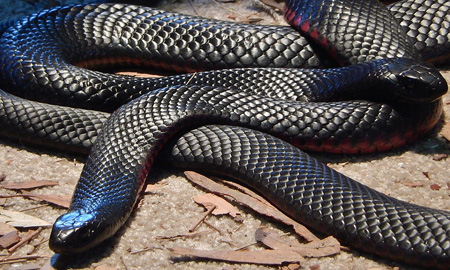
- Marshes: The dense plants permits them to assail prey effectively. Swamps: These locations supply sanctuary from killers while offering an abundant searching ground. Riversides: Water bodies bring in lots of pets which serve as food sources for these snakes.
1.3 Environmental Aspects Affecting Environment Choice
Several variables affect where tiger snakes pick to stay:
- Temperature: Being ectothermic (cold-blooded), they need cozy settings for optimum task levels. Prey Accessibility: High populaces of frogs and small animals bring in these snakes. Shelter: Thick plant life offers not just as camouflage but additionally as defense against prospective threats.
2. Are Tiger Snakes Venomous? Comprehending Their Venom
2.1 Composition of Tiger Snake Venom
Yes! Tiger snakes are indeed poisonous creatures. Their venom is a complex mix having neurotoxins that can create paralysis and coagulopathies affecting blood clotting mechanisms.
Key Components of Venom:
- Neurotoxins: Affect nerve function bring about paralysis. Hemotoxins: Damages capillary triggering inner bleeding.
Understanding these parts helps us value the strength of a tiger snake bite.
2.2 Results of a Tiger Snake Bite on Humans
A bite from a tiger serpent can cause extreme signs and symptoms:
- Local Symptoms: Discomfort, swelling, and staining at the bite site. Systemic Signs: Nausea, throwing up, difficulty breathing as a result of paralysis or constraint of airways.
Severity Levels
Minor Bite: Localized discomfort without systemic symptoms. Moderate Bite: Systemic symptoms however workable with medical care. Severe Bite: Lethal; requires instant medical intervention.3. Determining Different Sorts Of Tiger Snakes
3.1 Eastern vs Tasmanian Tiger Snakes
There are 2 main categories based on geographic circulation:
Eastern Tiger Snake (Notechis scutatus)
Found along eastern shorelines up to Queensland.
Tasmanian Tiger Snake (Notechis scutatus)
Adapted particularly to Tasmania's one-of-a-kind environment with a little differing coloration patterns.
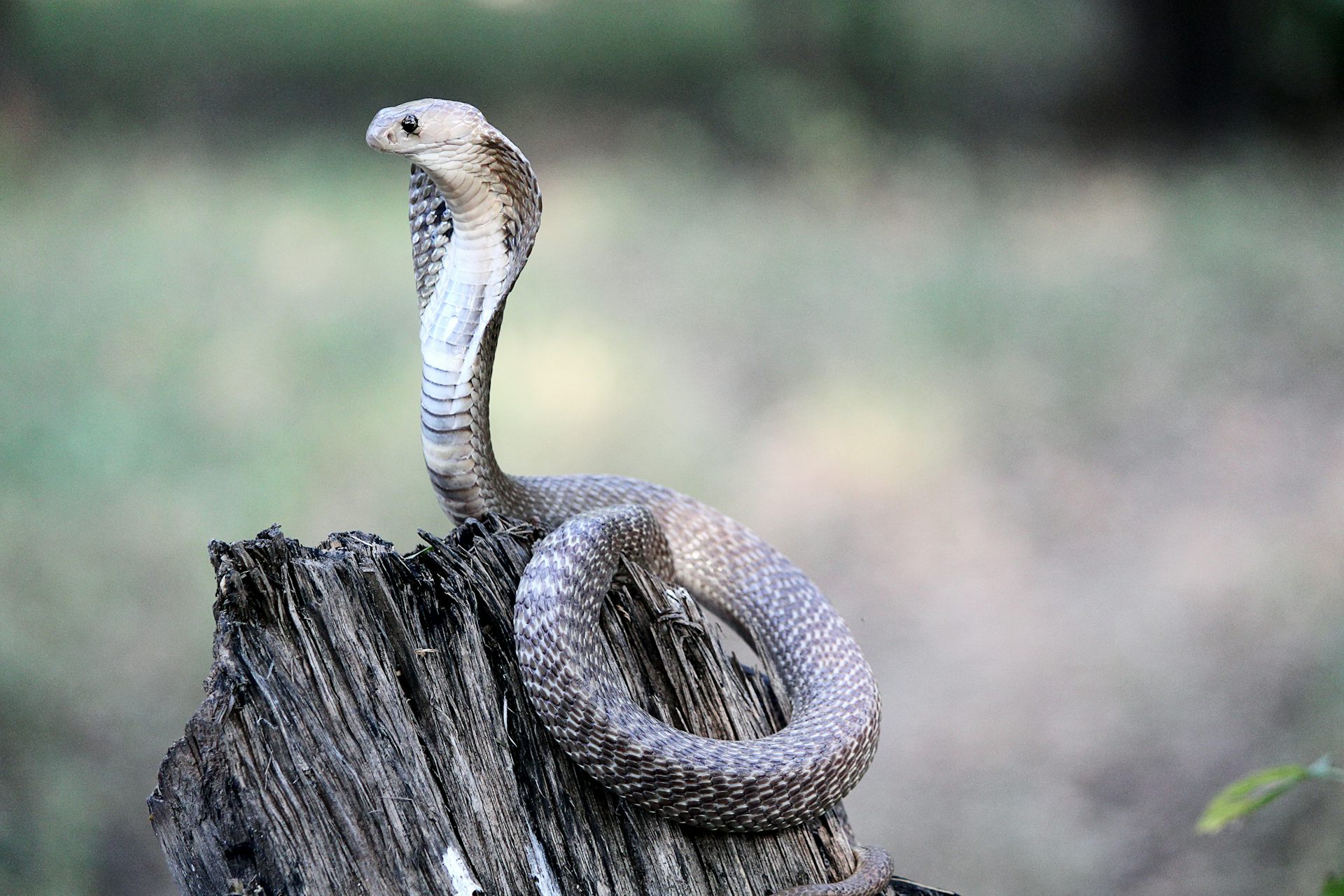
3.2 Color Variations in Habitat Preferences
Tiger serpents display substantial color variations relying on their habitat:
- Coastal populations frequently display red stripes or spots for better camouflage versus sandy shores.
4. Habits Patterns of Tiger Snakes
4.1 Aggression Level
Tiger snakes are recognized for their hostile behavior when endangered or collared which can lead to protective strikes if provoked.
4.2 Hunting Techniques
They have remarkable dexterity enabling them to strike quickly at victim such as frogs or small rats mostly during golden hours when they're most energetic-- making them nocturnal hunters!
5. First Aid for Serpent Bites: Important Actions You Should Know
When it concerns dealing with snake bites, understanding is vital!
5.1 Immediate Actions After a Bite
If bitten by a tiger rough scaled snake snake:
Stay calmness! Panic increases heart price which spreads poison faster through your bloodstream.
Apply stress around the injury making use of clean fabrics-- stay clear of reducing or drawing out venom!
Remove tight clothing/jewelry near the bite website; swelling might happen rapidly.
Immobilize the influenced arm or leg using splints when possible-- this restricts activity assisting reduce poison spread!
5.2 Getting Clinical Help
Seek emergency situation medical aid quickly! Time is vital when dealing with possible envenomation from tiger snakes!
5.3 Emergency treatment Kit Basics for Serpent Bites
Having a well-appointed first aid package can make all the distinction during emergency situations:
|Item|Summary|| ------|-------------|| Pressure Bandage|Aids immobilize injury|| Clean and sterile Gauze|For clothing wounds|| Emergency Call Info|Quick gain access to numbers|| Antivenom Info|Expertise about regional antivenoms|
6 FAQs Regarding Tiger Snakes
Q1: Are all tiger snakes dangerous?
A: While all have poisonous capacities affecting human beings substantially-- most like avoidance unless threatened!
Q2: Exactly how rapidly does tiger snake poison affect humans?
A: Signs and symptoms may materialize within minutes relying on place & & amount injected throughout envenomation events!
Q3: Can you survive a tiger snake bite without treatment?
A: Neglected attacks can be fatal due to rapid progression; prompt healthcare is crucial!
Q4: What should I do if I come across one?
A: Maintain range & & retreat gradually; stay clear of abrupt activities that might provoke aggression!
Q5: Exactly how common are attacks from tiger snakes?
A: Although encounters occur often-- real attacks continue to be reasonably unusual due mostly due preventive steps taken by residents living within affected ranges.
Q6: Exists an antidote available?
A: Yes! Antivenoms particular for Australian varieties exist-- medical facilities lug these medicines prepared when needed quickly post-bite incidents!
7 Conclusion
Understanding the intricacies bordering "Comprehending copperhead snake bite the Tiger Snake: Habitat, Venom, and First Aid Essentials" is extremely important not just for individual safety but additionally cultivating conjunction with these exceptional animals populating Australia's landscape! By discovering more regarding their habits & & efficient feedback strategies pertaining to possible encounters-- we equip ourselves much better versus unnecessary concerns while appreciating nature's diversity totally! So allow's accept education and learning instead are afraid-- it leads towards harmony in between humanity wildlife alike!
