Introduction
Encountering a snake in the wild can be an electrifying experience, but it can also result in possibly serious situations, specifically if bitten. Among the various varieties of snakes discovered in Australia, the tiger snake attracts attention due to its hostile nature and powerful poison. This write-up supplies a detailed guide on first aid for snake bites, particularly concentrating on tiger serpent encounters. Equipped with understanding and preparedness, you can dramatically enhance results in first aid pictures for snake bite case of a snake bite.
First Aid for Serpent Bites: A Detailed Overview for Tiger Serpent Encounters
Understanding Tiger Snakes
What Are Tiger Snakes?
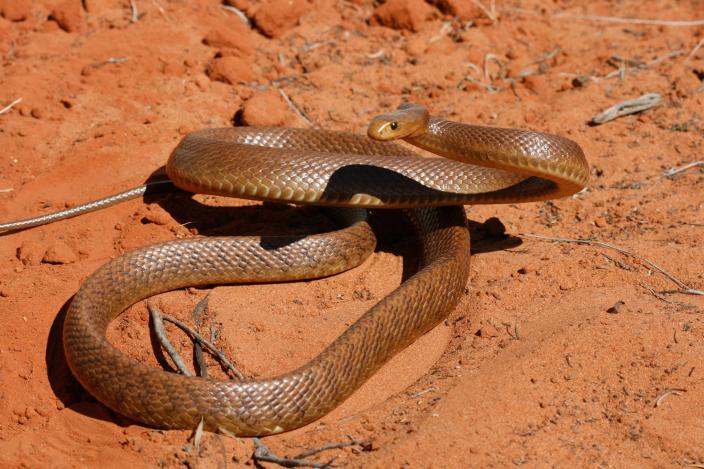
Tiger snakes ( Notechis scutatus) are one of Australia's most notorious snakes. They are recognizable by their distinct grouped patterns that appear like a tiger's stripes, therefore their name. These snakes are largely found in coastal areas and wetlands throughout southern Australia, consisting of Tasmania.
Are Tiger Snakes Venomous?
Yes, tiger serpents are extremely venomous. Their poison has neurotoxins that affect the nerves and can lead to paralysis and even fatality if left without treatment. It's crucial to have proper understanding about these creatures and their habitats to reduce risks when encountering them.
Tiger Serpent Habitat and Behavior
Where Do Tiger Snakes Live?
Tiger snakes occupy a selection of settings varying from seaside marshes and swamps to grasslands and woodlands. They prefer locations with adequate cover such as thick vegetation or rocks where they can quickly camouflage themselves from predators.
Behavioral Patterns of Tiger Snakes
These snakes are mainly nighttime yet may also be active during the day. They show defensive habits when intimidated, such as hissing loudly or flattening their bodies to appear larger. Comprehending their behavior can help you stay clear of close encounters.
Identifying a Tiger Serpent Bite
What Does a Tiger Serpent Bite Look Like?
A tiger snake bite commonly leads to two puncture wounds that might be come with by swelling, wounding, and staining around the bite location. Symptoms might differ relying on the amount of venom infused; some people may experience nausea, vomiting, trouble breathing, or paralysis.
Snake Attack Signs and symptoms: What To See For?
- Pain at the bite site Swelling and bruising Nausea Dizziness Confusion Difficulty breathing
Recognizing these signs early is essential for timely treatment.
First Aid for Snake Bites: Preliminary Steps to Take
1. Continue to be Calm:
The very first step is to keep one's cool-- this will help reduce your heart price and reduce the spread of venom with your bloodstream.
2. Call Emergency situation Solutions:
Quickly dial emergency solutions (e.g., 000 in Australia) for specialist medical help.
3. Paralyze the Affected Arm or leg:
Maintain the affected limb as still as possible to stop venom from spreading. Utilize a splint if available.
4. Keep the Victim Still:
What Not To Do When Treating a Serpent Bite
Avoid Typical Myths: What Truly Doesn't Help?
- Do not use ice straight on the bite area. Do not use a tourniquet, as this can cut off blood flow entirely. Do not suck out venom with your mouth. Avoid alcohol, as it can worsen symptoms.
It's crucial to unmask these myths-- wrong activities can worsen the situation significantly!
Creating Your First Aid Package for Snake Bites
Essential Items for Your First Aid Kit:
A well-stocked first aid kit particularly designed for snake attacks need to consist of:
|Product|Objective|| ----------------------------|------------------------------------------|| Common tree snake bite Pressure Plaster|To incapacitate limb|| Splint|To support damaged area|| Disinfectant Wipes|For cleansing small cuts|| Emergency Get In Touch With Card|Crucial numbers|| User's manual|For quick referral on procedures|
First Help Monitoring of Serpent Bites: In-depth Steps
Assess Severity: Promptly examine if it's a lethal situation. Positioning: Lay victims flat with feet raised unless they're showing indications of trouble breathing. Monitor Vital Signs: Keep track of breathing and pulse till aid arrives. Prepare for Transportation: Ideally, prepare the victim for transport by emergency responders while guaranteeing they're comfortable.FAQs About Tiger Serpent Encounters
1. What should I do if I see a tiger snake?
Stay calmness, back away gradually without prompting it, and seek secure shelter up until it leaves the area.
2. Can tiger snakes swim?
Yes! Tiger snakes are excellent swimmers and usually hunt in water bodies.
3. For how long does it take symptoms to appear after a bite?
Symptoms can appear within minutes yet may also take hours relying on numerous factors like specific responses and poison potency.
4. Is there an antivenom available?
Yes, there is an efficient antivenom readily available specifically for tiger snake attacks provided by medical care professionals upon arrival.
5. How can I stop serpent bites?
Wear appropriate shoes when treking or walking in bushland locations and remain attentive while walking recognized habitats like wetlands or marshes.

6. Are child tiger snakes dangerous?
Yes! Baby tiger serpents are venomous much like adults; nevertheless, they often tend to be less aggressive than completely expanded specimens yet ought to still be treated with caution.
Conclusion
Understanding how to respond efficiently throughout a tiger serpent experience can conserve lives-- your own or somebody else's! The relevance of being prepared can not be overemphasized; understanding proper first aid treatments enables you not only to act swiftly however smartly when faced with such emergency situations. Constantly bear in mind that avoidance is key; recognizing your environments can considerably minimize threats connected with snake bites.
With this guide entitled "First Aid for Serpent Bites: A Detailed Guide for Tiger Serpent Encounters," we hope you're better equipped both psychologically and website literally to handle any type of unforeseen encounters with these fascinating yet unsafe creatures!